
Subscribe or listen on Spotify, applepodcast, deezer, podcast addict or Youtube.
Achieving the objectives of the 2050 energy strategy will require a significant acceleration in the development of renewable energies. And solar energy plays a central role in this equation.
How can we increase the number of surfaces we can use to capture this precious energy? How to install solar panels using existing surfaces?
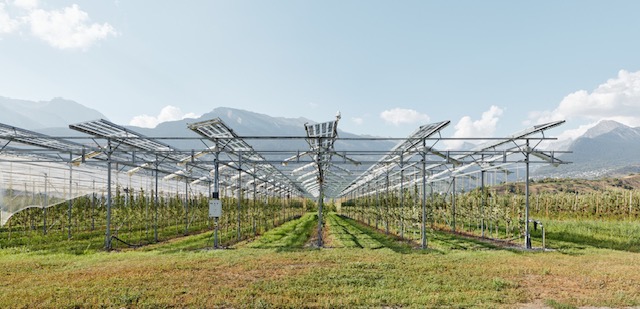
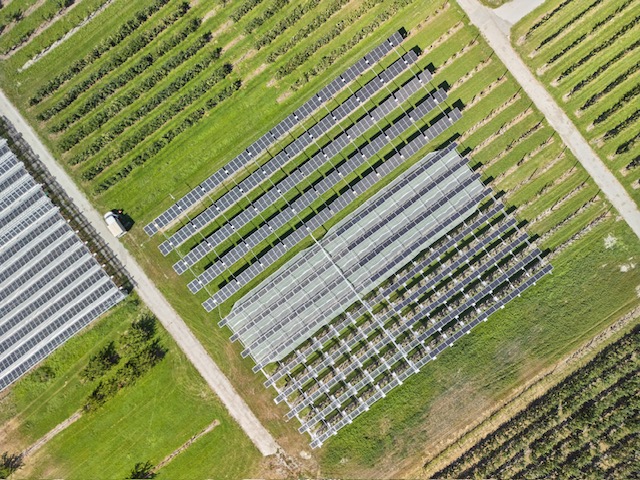
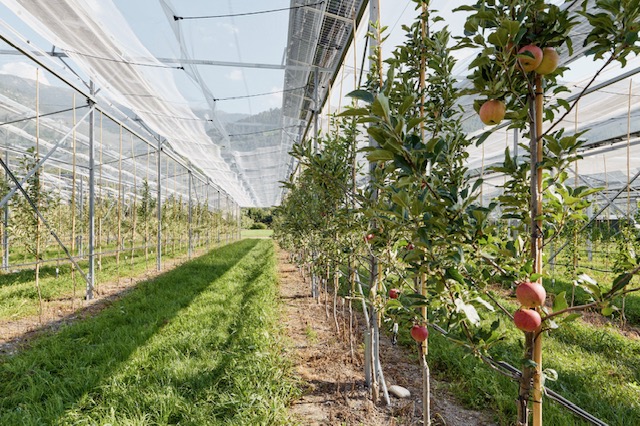
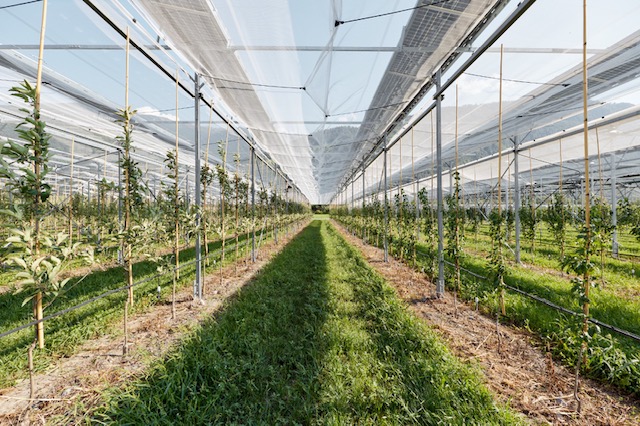
A recent development in Switzerland is agrivoltaism, the practice of installing solar panels on farmland. Or, to put it another way, producing solar-generated electricity and cultivating crops on the same surface. It’s a marriage between earth and sun, between food and electricity.
To find out more, Joëlle Loretan, who joined the “2040, j’y vais!” podcast team and produced this episode, went to meet two top-notch interviewees:
- Chloé Gasiglia, technical sales manager at Insolight, a company that develops solar technologies specifically designed to integrate with agricultural crops.
- Stéphane Genoud, professor and head of the exergy management lab at HES-SO Valais, who will broaden the analysis of the energy transition.
And of course, as always in this Podcast, we’ll end with a trip to the year 2040 to explore new possibilities, namely that of a Switzerland (almost) free of fossil fuels.
Interview: Joëlle Loretan
Production: Bastien Moeckli
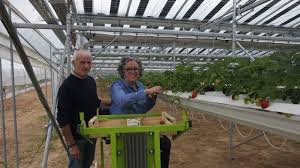
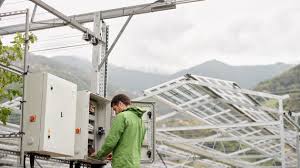
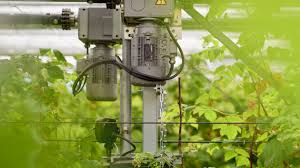
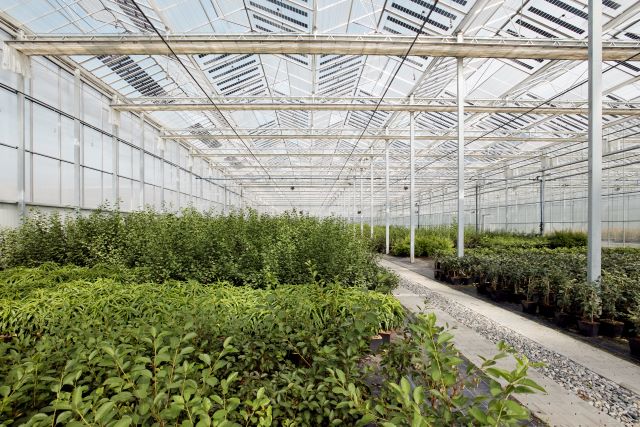
Insolight installation images (Copyright: insolight)
Further information
- Energy Strategy 2050, federal strategy adopted in a vote in 2018.
- Transition énergétique dans le canton de Vaud à l’horizon 2050, prospective study by Statistique Vaud, 2024.
- Insolight
- RTS guest: Stéphane Genoud, professor of energy management at HES-SO Valais-Wallis
Support
The “2040, j’y vais!” podcast is made possible by the support of the Giovannini Foundation, the canton of Vaud, the canton of Geneva, HEKS Transform’Action Lab, One Planet Lab and Services Industriels de Genève. We would also like to thank our distribution partners: l’impact Hub Lausanne-Genève; l’Archipel de Sion and sanu,
