👉Subscribe or listen on Spotify, Apple Podcasts, Deezer, Podcast Addict, or YouTube.
Plastic is an extraordinary material that can be used to create an extremely wide variety of shapes and products. And it is very inexpensive. That is why it is used so widely.
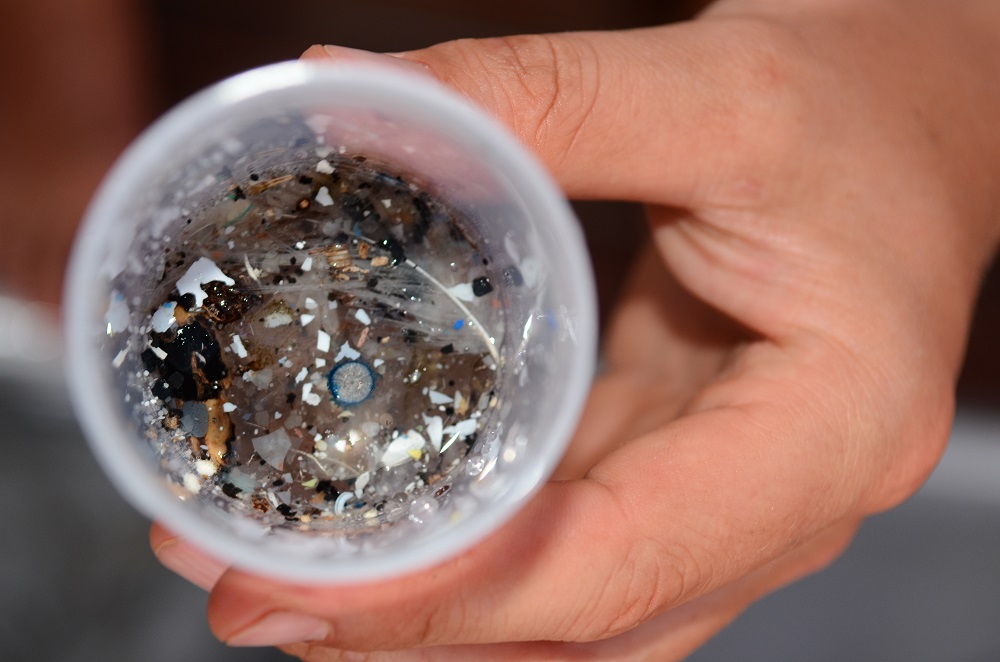
But today, its use has become a problem. Every minute, 20 metric tons of plastic waste are dumped into the oceans. And each of us has seen the heartbreaking images of plastic islands in the middle of the ocean. As for plastic microplastics, they’re found in our lakes, on our plates, and in our bodies, posing risks to our health.
So how can we reduce plastic use and improve plastic waste management? Not just through individual recycling efforts, but at the systemic level?
That’s the question Chantal Peyer explores in this episode of the podcast “2040: I’m Going!” with:
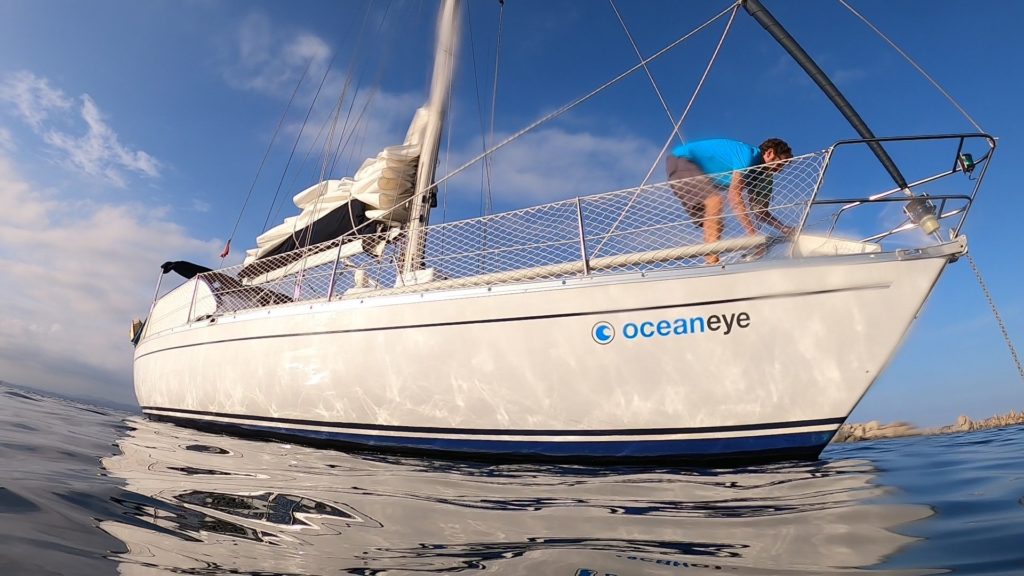
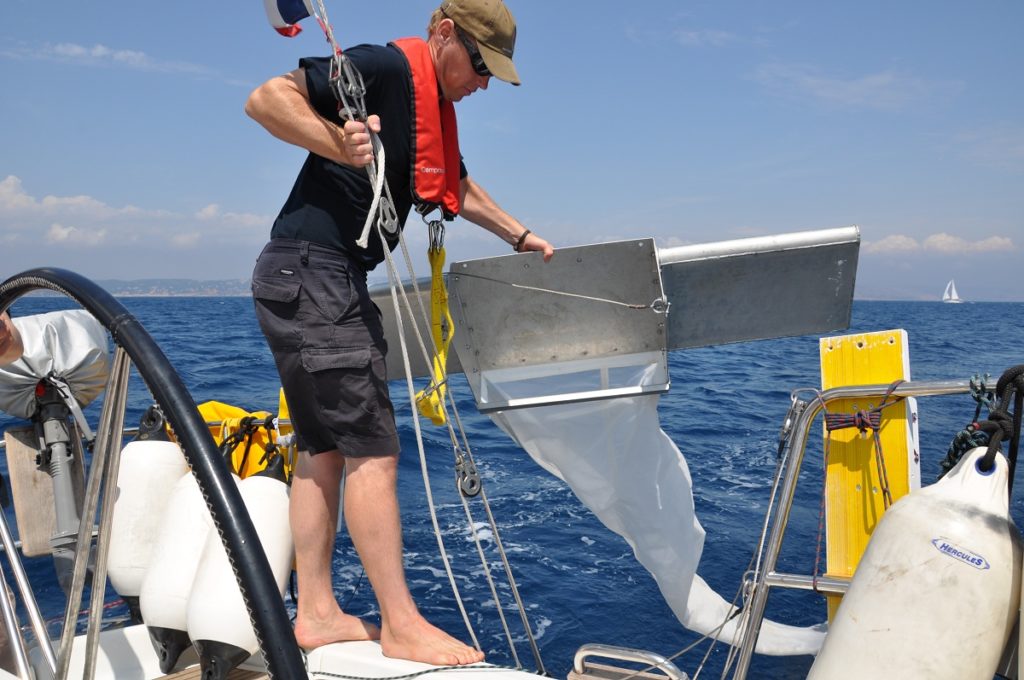
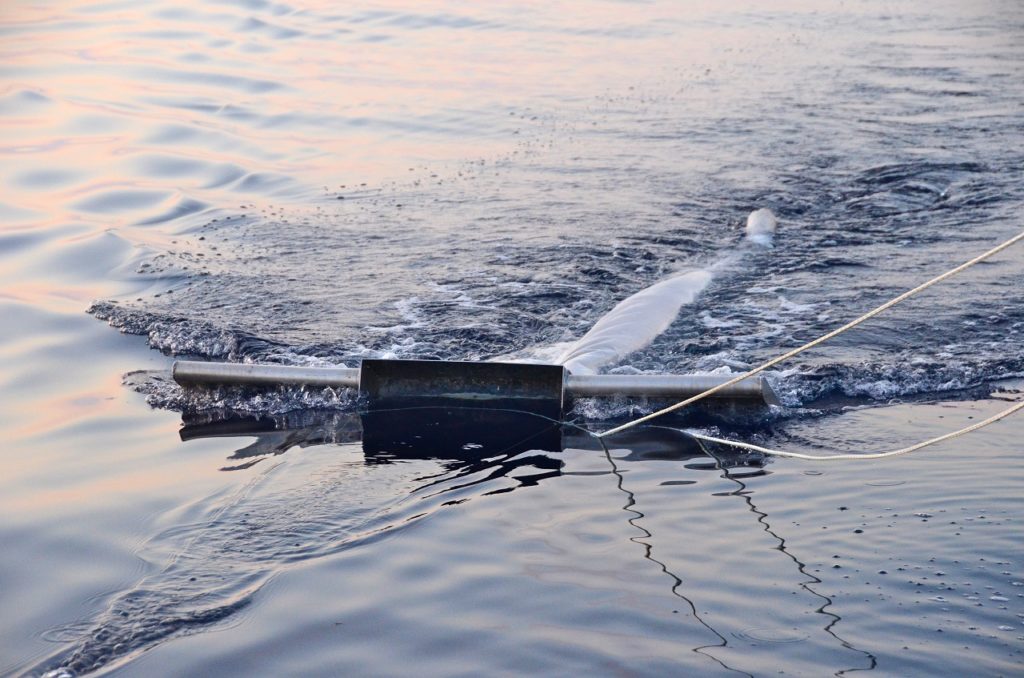
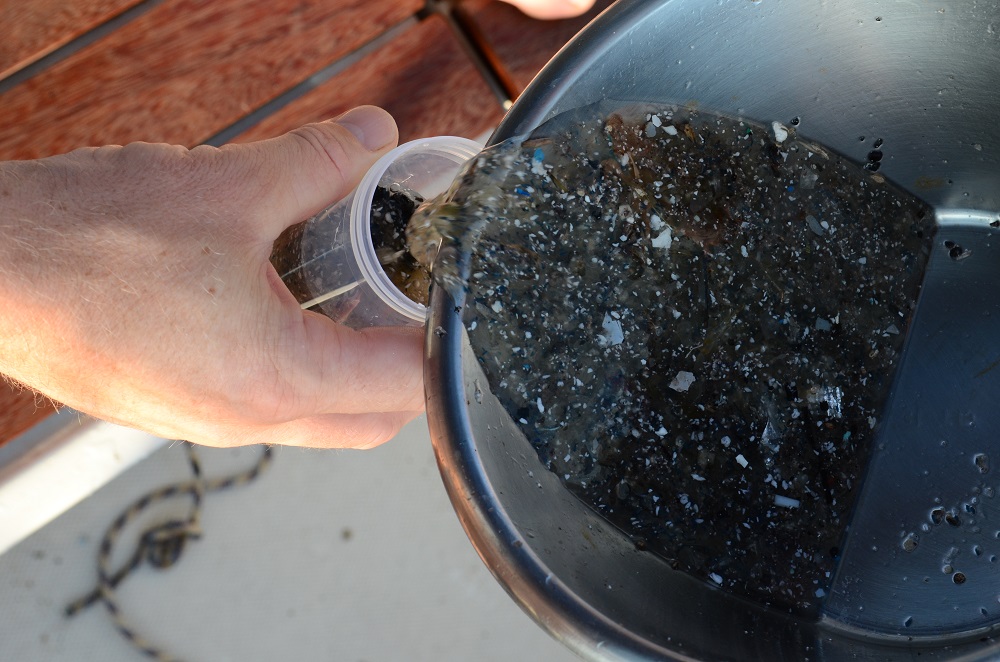
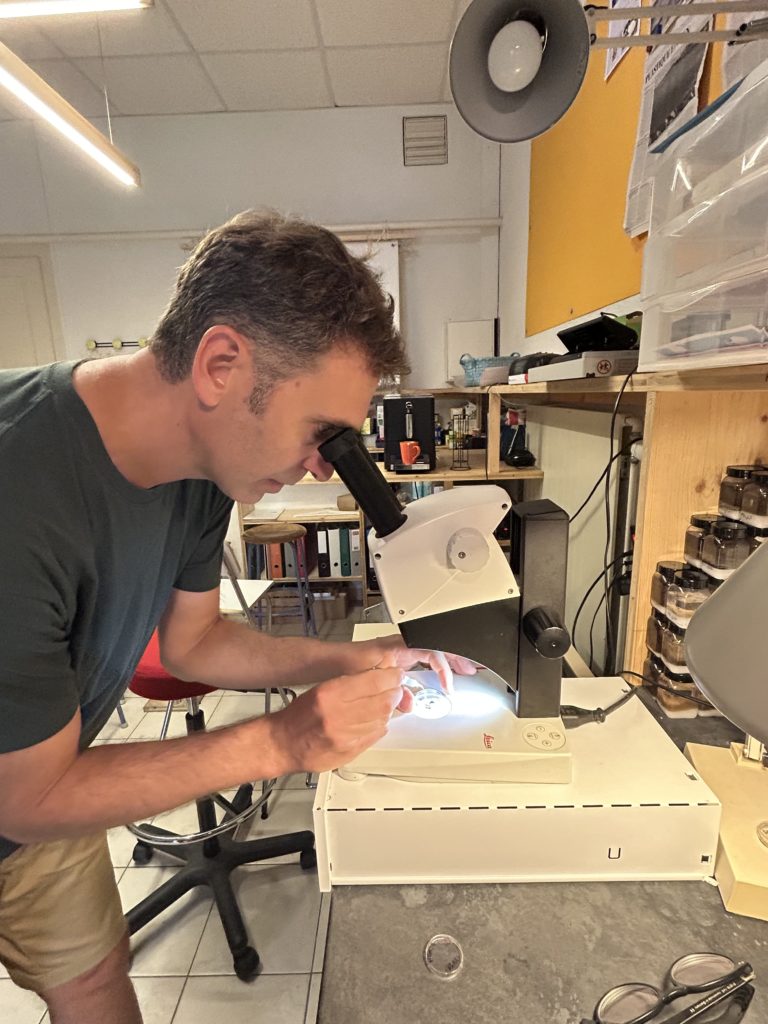
- Pascal Hagmann, director of the OceanEye project, which conducts citizen science research on plastic pollution
- David Azoukay, who advocates for an international treaty on plastic at the International Association for Environmental Law
And to inspire you to move toward a more sustainable future, we’ll wrap up with a journey to the year 2040.
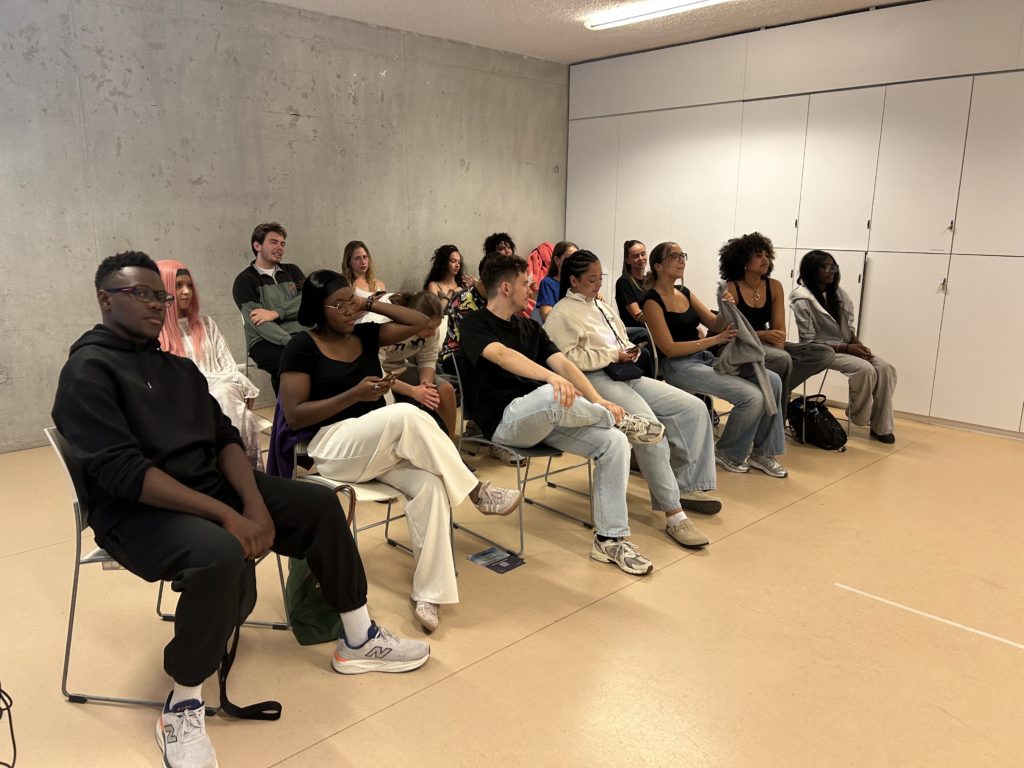
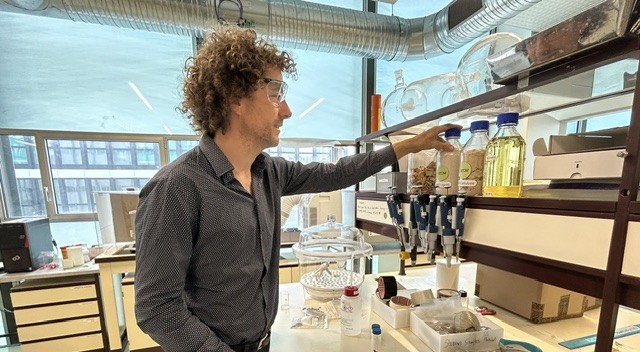
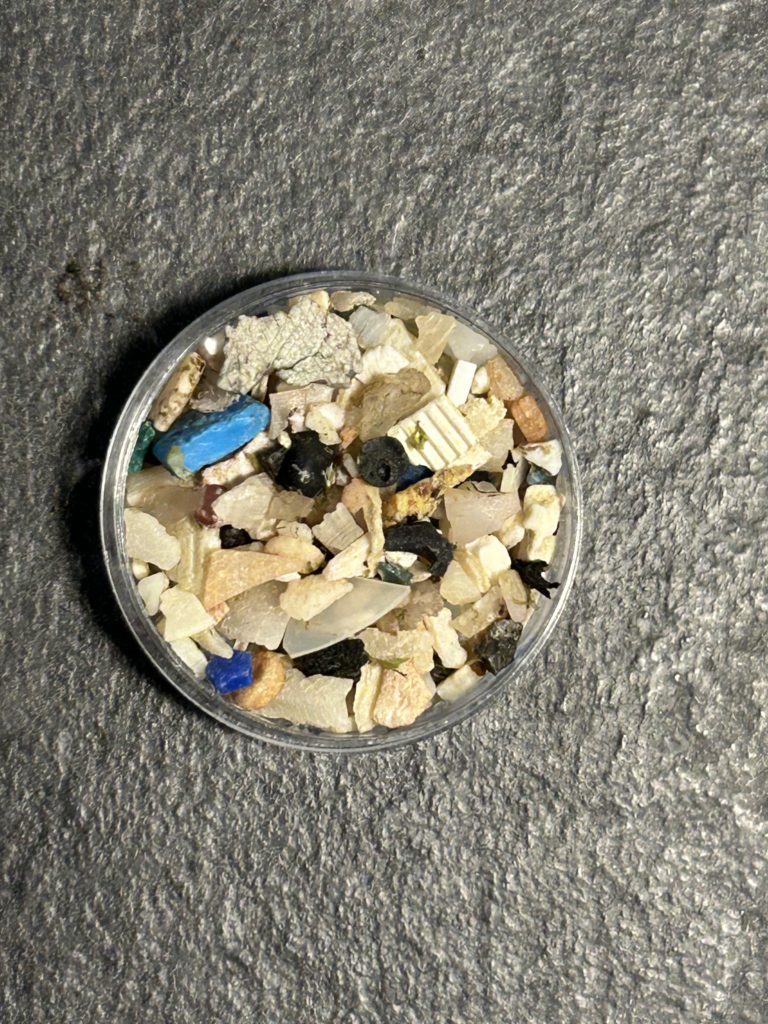
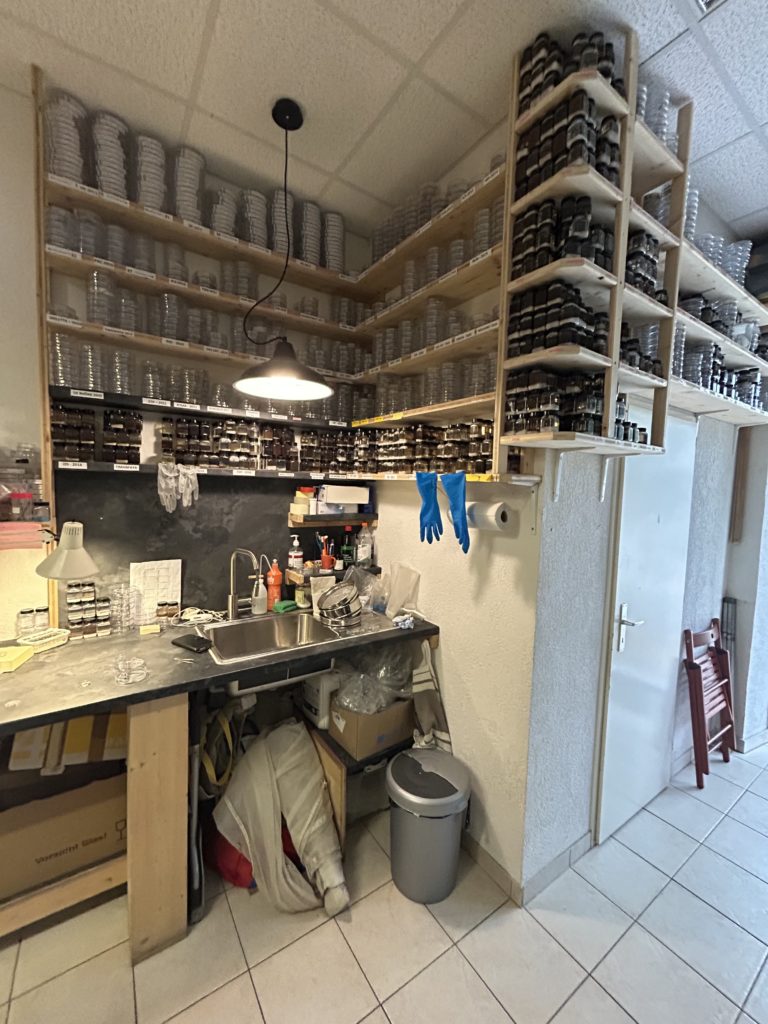
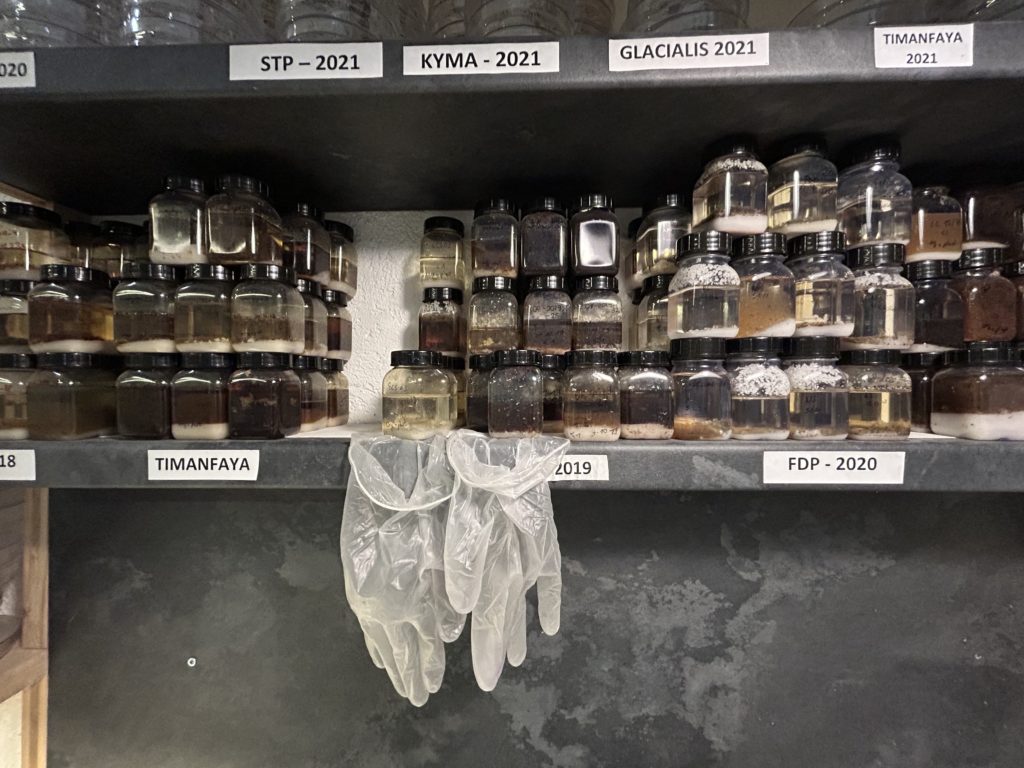
Images from the Oceaneye project. Copyright: Oceaneye or Chantal Peyer
References
- Mapping Plastic Pollution by Oceaneye
- Mapping Plastic Pollution to Develop Legislation, Océaneye, 2026
- Mapping Plastic Pollution, Together, OceanEye
- Center for International Environmental Law
Further information
- Swiss Plastic Action
- Microplastic and Nanoplastic Pollution and Associated Potential Health Risks, The Lancet, December 2025
- Assessment of Microplastic Pollution on the Surface of Eight Lakes in Switzerland, 2025
Support
The podcast “2040, I’m Going!” is made possible thanks to the support of the Giovannini Foundation, the Canton of Valais, the Canton of Vaud, the Canton of Geneva, and Services Industriels de Genève. We would also like to thank our distribution partners: Impact Hub Lausanne-Geneva; One Planet Lab; SANU; and Archipel in Sion.